Introduction
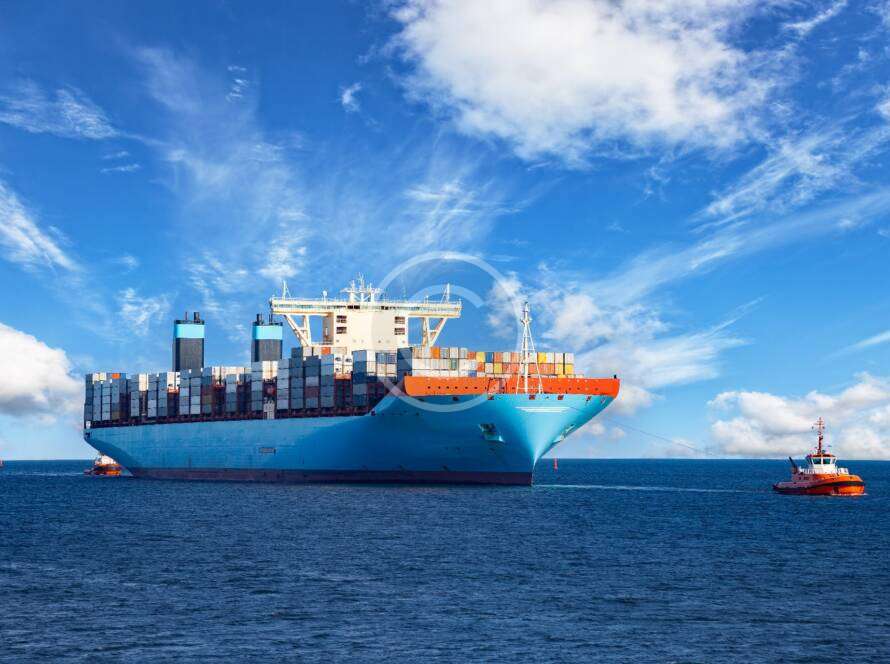
The Port of Dar es Salaam is growing faster than at any point in its history — and if you import goods into Tanzania or transport transit cargo to landlocked neighbours like Zambia, Rwanda, or the DRC, this growth affects your business directly. In 2024/25, the port handled 27.7 million tonnes of cargo — a 15% increase from the previous year and the highest throughput in the port’s history. The Tanzania Ports Authority (TPA) has now set a target of 54.59 million tonnes by 2030/31.
But record volumes also mean increased competition for berth space, road access, and skilled clearing agents. This article explains what is happening at the port, what the new January 2026 tariff means for your costs, and what every importer should know about protecting their cargo and budget in this rapidly changing environment.
What Is Driving the Port’s Record Growth?
1. The Dar es Salaam Maritime Gateway Project
A $421 million infrastructure investment — financed largely by the African Development Bank — has transformed the physical port. The harbour channel has been deepened to 14.5 metres, allowing larger Panamax-class container vessels to call. New gantry cranes can handle 30 containers per hour, up from 18 with older equipment. The result: vessel turnaround time has dropped from an average of 10 days to approximately 3 days.
2. Private Terminal Operators
Dar es Salaam now operates under a split terminal model. DP World manages Berths 0 to 7, while Tanzania East Africa Gateway Terminal Limited (TEAGTL) operates Berths 8 to 11. Performance-based contracts and fixed berthing windows — which give shipping lines guaranteed arrival slots — have significantly improved predictability for importers planning their supply chains.
3. Inland Dry Port Expansion
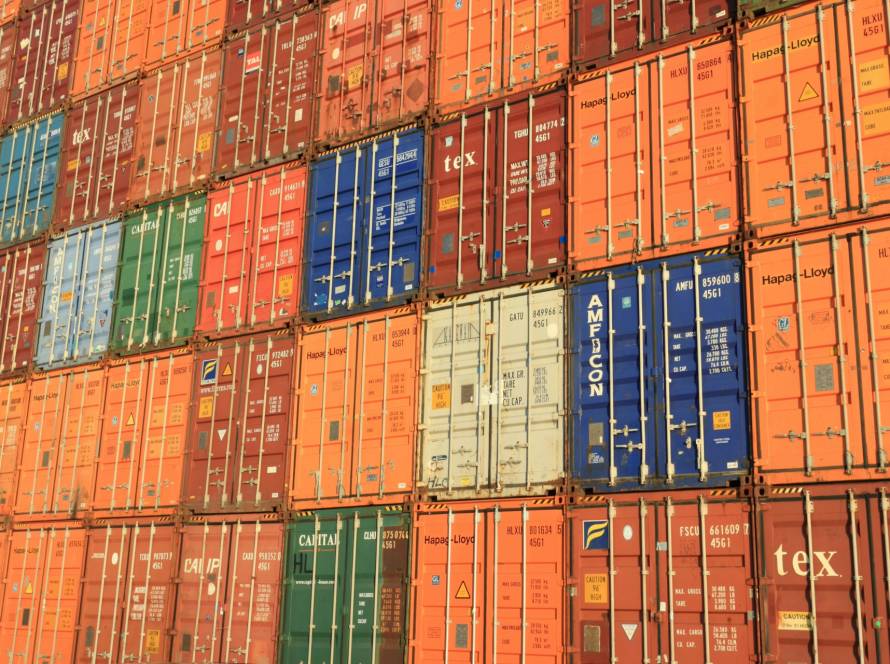
To reduce congestion at the main port, TPA has invested in inland logistics infrastructure. The Kwala Inland Container Depot in Kibaha — connected to the port by rail — is designed to handle over 300,000 containers annually (approximately 30% of Dar es Salaam’s container traffic). For importers, this means faster evacuation of containers from the port and reduced risk of demurrage charges caused by port congestion.
The New Port Tariff: What Changed in January 2026
On 9 January 2026, TPA published a revised port tariff under Government Notice No. 03 of 2026. This followed a review process conducted throughout 2025 and involved stakeholder consultations with the Tanzania Shipping Agencies Corporation (TASAC) and industry bodies including the Tanzania Freight Forwarders Association (TAFFA).
The revised tariff affects: port dues for vessels, container handling charges, storage and demurrage fees, and transit cargo charges for goods destined for landlocked countries. If you import regularly through Dar es Salaam, ask your clearing agent for a detailed cost breakdown under the new tariff. As a TAFFA member, Wilmaar Logistics stays current with all TPA tariff changes and will advise you on the cost implications for your specific shipment.
The Central Corridor and Transit Trade
The Port of Dar es Salaam is the primary entry point for landlocked countries including Zambia, Malawi, Uganda, Rwanda, Burundi, and the Democratic Republic of Congo. Transit cargo travels along the Central Corridor — Tanzania’s strategic trade route — via the Tanzania-Zambia Highway and rail links.
The Tanzanian government has signalled major investment in this corridor. The TAZARA railway rehabilitation agreement between Tanzania and Zambia is set to begin in June 2026, which will increase the rail capacity for transit cargo and reduce pressure on road transport. For importers in Zambia, the DRC, and Malawi, this is significant: it will eventually reduce transit times and transport costs along the entire route.
What Does Increased Port Volume Mean for Clearing Timelines?
Higher cargo volumes create both opportunities and risks for importers. On the positive side, more shipping lines calling at the port means more competitive freight rates and more departure options from major origin ports in Asia, Europe, and the Middle East. On the risk side, congestion during peak periods can delay truck access, increase waiting times at Kurasini and RORO terminals, and put pressure on available bonded warehouse space.
At Wilmaar Logistics, we manage this risk through early document submission (at least 7 days before vessel arrival via NTANCIS), pre-arranged trucking capacity from our vetted carrier network, and active monitoring of port congestion through our TPA contacts. We cover all major border points including Tunduma (Zambia), Namanga (Kenya), Rusumo (Rwanda), and Kabanga (Burundi).
5 Questions to Ask Before Choosing a Clearing Agent in Dar es Salaam
- Are they TRA-licensed and appearing on the annual TRA Successful Clearing Agents list?
- Do they lodge documents in NTANCIS before vessel arrival, or only after?
- Do they have established relationships with TPA, TBS, TMDA, and other regulatory bodies?
- Can they handle bond securities and border documentation for transit goods?
- Do they provide real-time updates on clearance status — or do you have to chase them?
Wilmaar Logistics: Your Partner at Dar es Salaam Port
Since 2008, Wilmaar Logistics has been clearing cargo at Dar es Salaam Port and moving transit goods across the East African region. We have lived through every major change at the port — from the introduction of the original TANCIS in 2014 to the 2025 NTANCIS upgrade, and through the port’s physical expansion under the Maritime Gateway Project. Our clients never pay surprise costs: we provide accurate quotes, transparent TRA compliance advice, and daily WhatsApp updates on their shipment status.
Whether you are importing a 20-foot container from China, shipping capital equipment from Europe, or transporting transit goods to the Copperbelt in Zambia, contact Wilmaar Logistics for a quote. We will tell you exactly what the current tariff means for your shipment — and how to keep your costs under control.